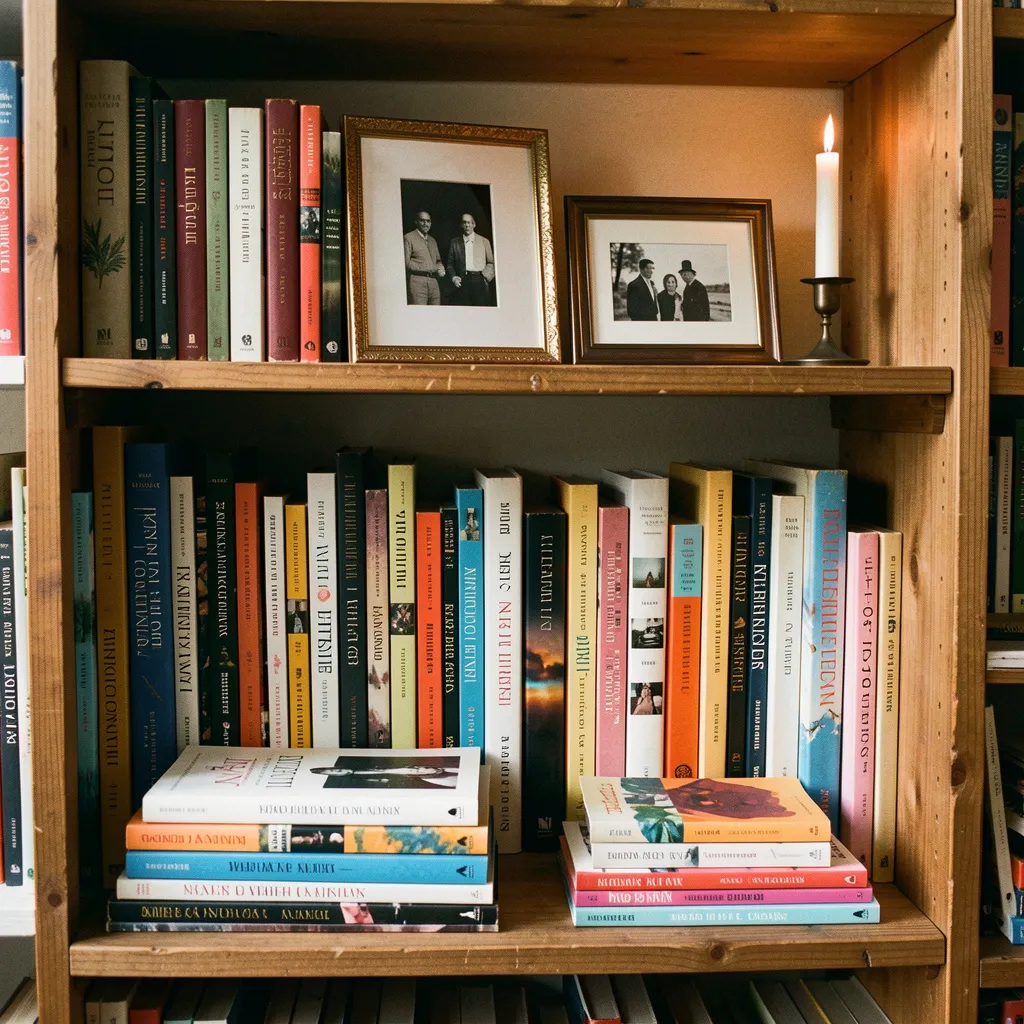
Creating a Living Shelf

A well-styled bookshelf extends beyond books alone. Strategic placement of objects, vases, sculptures, and lighting creates depth, interest, and personal expression.

These elements serve multiple purposes: they break up visual monotony, add texture and dimension, and reflect your personal aesthetic preferences.

The key is balance. Too many objects create clutter. Too few leave the shelf feeling sparse. The right combination creates harmony between literature and decorative elements.

Each object should have purpose and placement, contributing to the overall composition while allowing books to remain the primary focus.
Vases and Planters

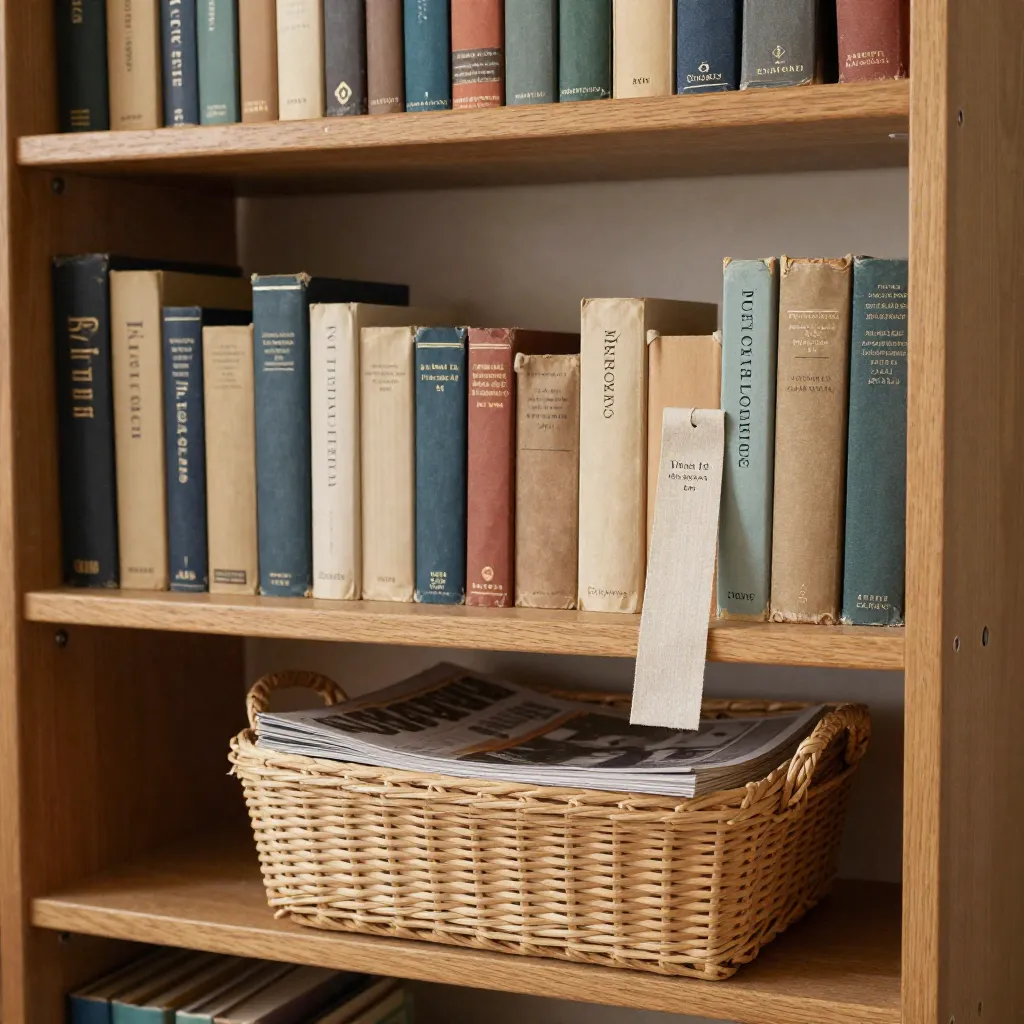
Bookshelf with vases and plant arrangements

Organic Balance

Vases and planters introduce organic forms that contrast with the linear structure of books. Small succulents, dried arrangements, or minimalist stems add life without overwhelming the display.

Placement Principles

Position vases at shelf ends or between book sections to create visual breaks. Choose vessels that complement your color scheme and don't compete with book spines for attention.

Height variation is important. Mix tall, narrow vases with shorter, wider planters to create rhythm and prevent monotony.

Material Considerations

Ceramic, glass, and metal each bring different textures. Match material choices to your overall aesthetic—minimalist spaces favor simple ceramics, while eclectic displays can incorporate mixed materials.

Bookends and Sculptures

Functional Art

Bookends serve dual purpose: they provide structural support while functioning as sculptural elements. Choose designs that reflect your aesthetic—geometric for modern spaces, organic for traditional settings.

Free-standing sculptures can punctuate sections, creating focal points that draw the eye and add artistic interest to the composition.

Scale and Proportion

Objects should be proportional to your shelf depth and book sizes. Oversized sculptures overwhelm, while tiny objects get lost. Aim for objects that are one-third to one-half the height of your tallest books.

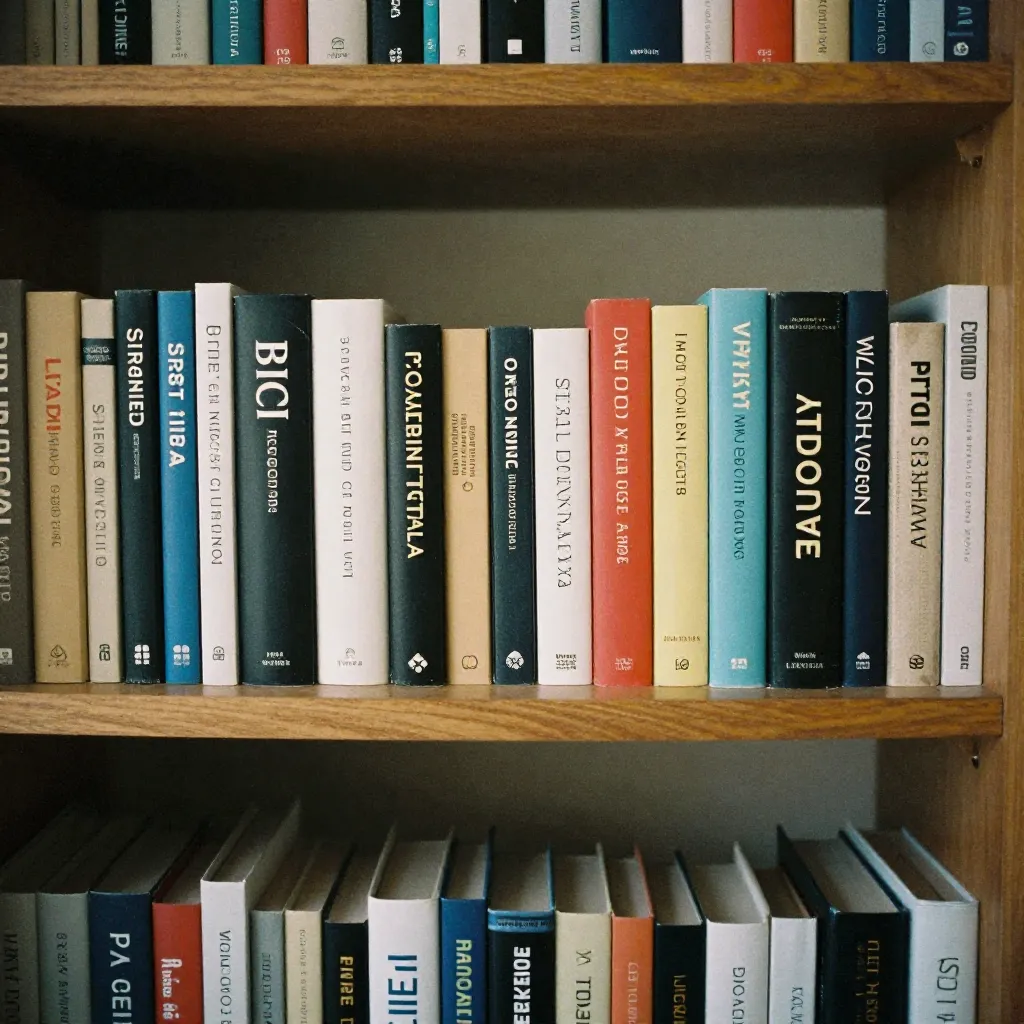
Decorative bookends and sculptural elements on shelf

Structural Elements

Bookends anchor sections and create defined boundaries. Sculptures add personality and artistic expression, transforming functional storage into curated display.

Lighting Elements

Ambient Illumination

Small table lamps or LED strips can highlight specific sections, creating depth and drawing attention to curated areas of your display.

Task Lighting

Adjustable reading lights serve both functional and aesthetic purposes, providing illumination while adding modern design elements to the shelf.

Decorative Accents

String lights or small accent lamps can create atmosphere, especially in evening settings. Choose warm-toned lighting to complement book spines and objects.

Composition Guidelines

The Rule of Thirds

Divide your shelf mentally into thirds. Place significant objects at these intersection points rather than centering everything. This creates visual interest and prevents static arrangements.

Negative Space

Allow empty areas between objects and book sections. This breathing room prevents visual overwhelm and lets each element be appreciated individually.

Height Variation

Create visual rhythm by varying object heights. Tall objects at ends, medium-height items in centers, and low-profile elements throughout create dynamic flow.

Color Harmony

Choose objects that complement your book spine colors. Neutral objects work with any color scheme, while colored objects should harmonize with your chosen palette.

Privacy Policy

We respect your privacy and are committed to protecting your personal data. This privacy policy explains how we collect, use, and safeguard your information when you use our services.

Read full privacy policy